
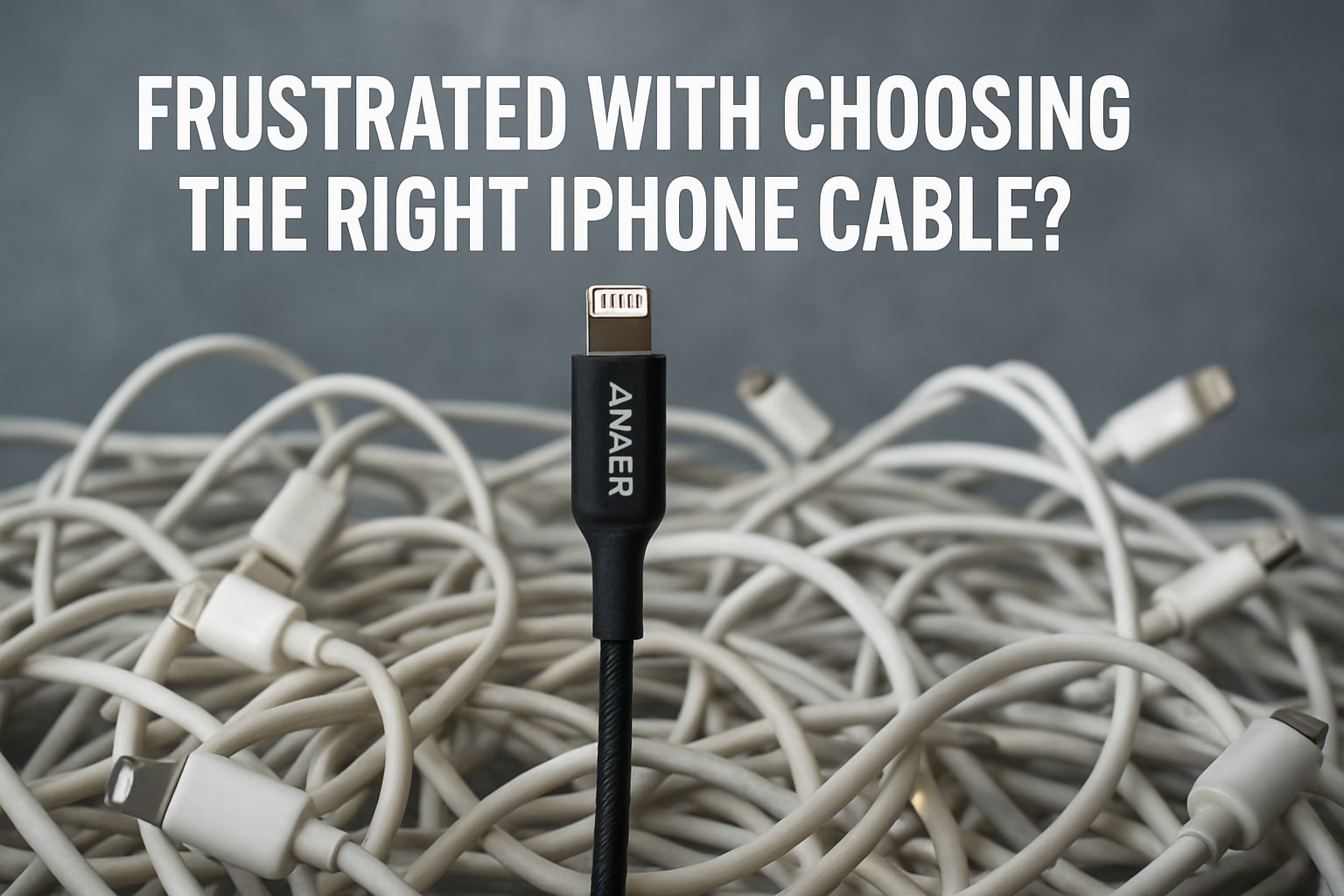
Choosing an anker iphone cable in 2025 can feel overwhelming, with so many unreliable options flooding the market. Fast charging and device longevity now depend more than ever on the quality of your cable, making the right choice essential.
This guide is here to demystify the anker iphone cable range, helping you make a smart, future-proof investment. We will cover the latest Anker cable types, compatibility with your Apple devices, durability, real-world performance, buying tips, and expert advice on care and maintenance.
The Evolution of iPhone Cables: Why Anker Leads in 2025
Selecting the right charging cable has never been more crucial for iPhone users. The journey from early 30-pin connectors to Lightning, and now USB-C, has transformed how we power and protect our devices. Each step in this evolution has brought faster charging, better safety, and new compatibility challenges.
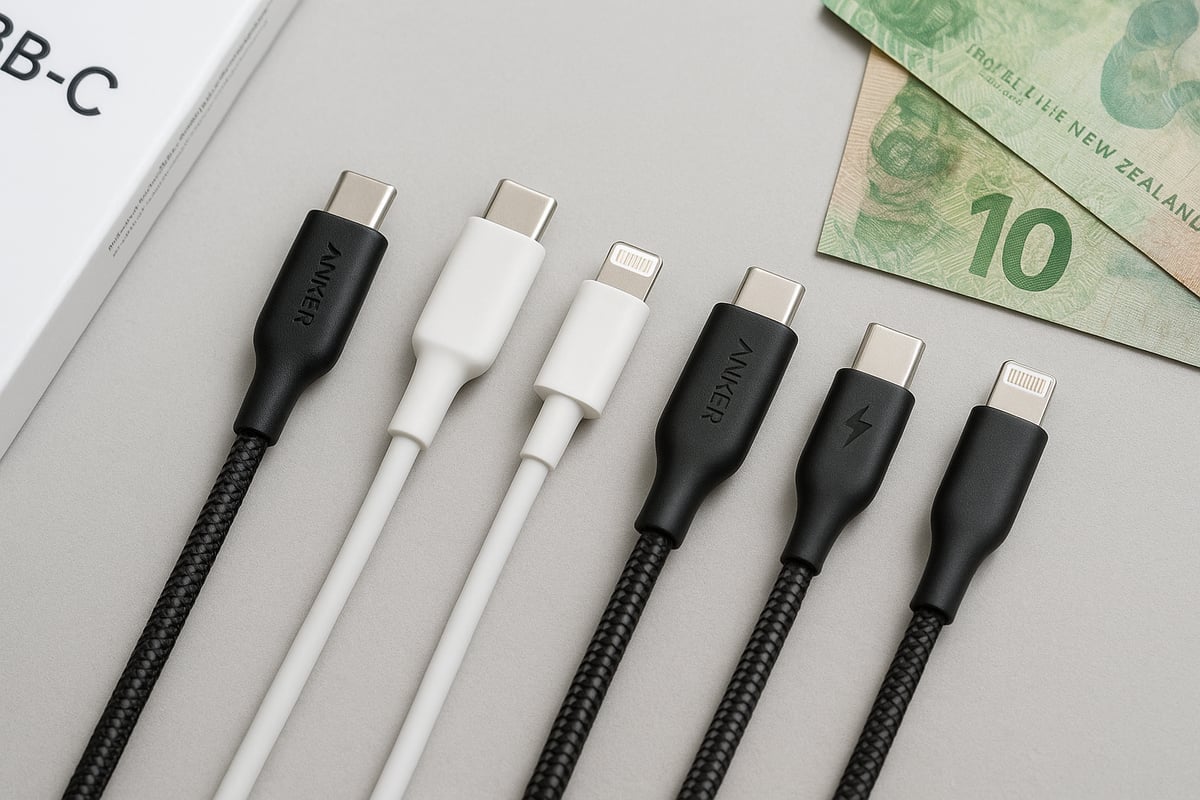
In the early days, iPhone users relied on the proprietary 30-pin cable, which was soon replaced by the more compact Lightning connector in 2012. This shift improved convenience and speed, but also introduced a wave of unreliable third-party cables. Apple’s MFi (Made for iPhone) program helped address some of these issues by certifying trusted brands. However, even with MFi, not all cables delivered consistent performance.
Anker’s reputation has grown steadily from 2015 onwards, earning global trust for producing reliable and innovative accessories. In New Zealand, the anker iphone cable is now a top choice for consumers seeking quality and peace of mind. The brand’s commitment to durability, safety, and user experience has made it a preferred alternative to Apple’s own cables, especially as local tech communities share positive experiences.
The transition to USB-C for iPhones, starting with the iPhone 15 in 2023, has changed the landscape. Users now need to consider not just Lightning compatibility, but also the benefits of USB-C—such as faster charging and universal connectivity. Choosing the right anker iphone cable means understanding these changes and selecting a cable that will work seamlessly with both current and future Apple devices.
What makes the anker iphone cable stand out is its combination of advanced materials and engineering. Features like MFi certification, double-braided nylon or soft silicone jackets, and reinforced connectors are standard across Anker’s best-selling lines. For example, the PowerLine III Flow cable is praised for its flexibility and ability to withstand over 25,000 bends, making it a favourite among both casual and power users.
Industry reviews and consumer data back up these claims. In 2024 and 2025, Consumer Reports and TechRadar consistently rank Anker as one of the top-rated cable brands for reliability and value. According to the Best iPhone Chargers 2025 guide, Anker’s cables frequently outperform not only generic third-party options but also Apple’s own cables in terms of lifespan and charging speed.
To summarise the differences, consider the following table:
| Feature | Anker iPhone Cable | Apple Official Cable | Generic Third-Party |
|---|---|---|---|
| MFi Certified | Yes | Yes | Sometimes |
| Material Quality | Premium (nylon/silicone) | Standard (TPE) | Varies |
| Bend Lifespan | 25,000+ | ~10,000 | <5,000 |
| Warranty | Up to Lifetime | 1 Year | Rarely |
| User Ratings (2025) | 4.8/5 | 4.3/5 | 3.0/5 |
The quality of your charging cable directly affects your device’s safety and performance. A high-quality anker iphone cable helps prevent overheating, reduces wear on device ports, and ensures you get the fastest possible charging speeds. In the fast-paced world of 2025, investing in a trusted cable is not just a convenience—it’s essential for protecting your technology and getting the most from your iPhone.
Anker iPhone Cable Types Explained: Models, Features & Compatibility
Choosing the best anker iphone cable in 2025 means sorting through a range of models, materials, and features. Anker’s lineup sets itself apart with reliability, variety, and innovations designed for Apple users. Let’s break down the current cable types, compatibility details, and the features that make these cables stand out.
Understanding Anker’s iPhone Cable Range
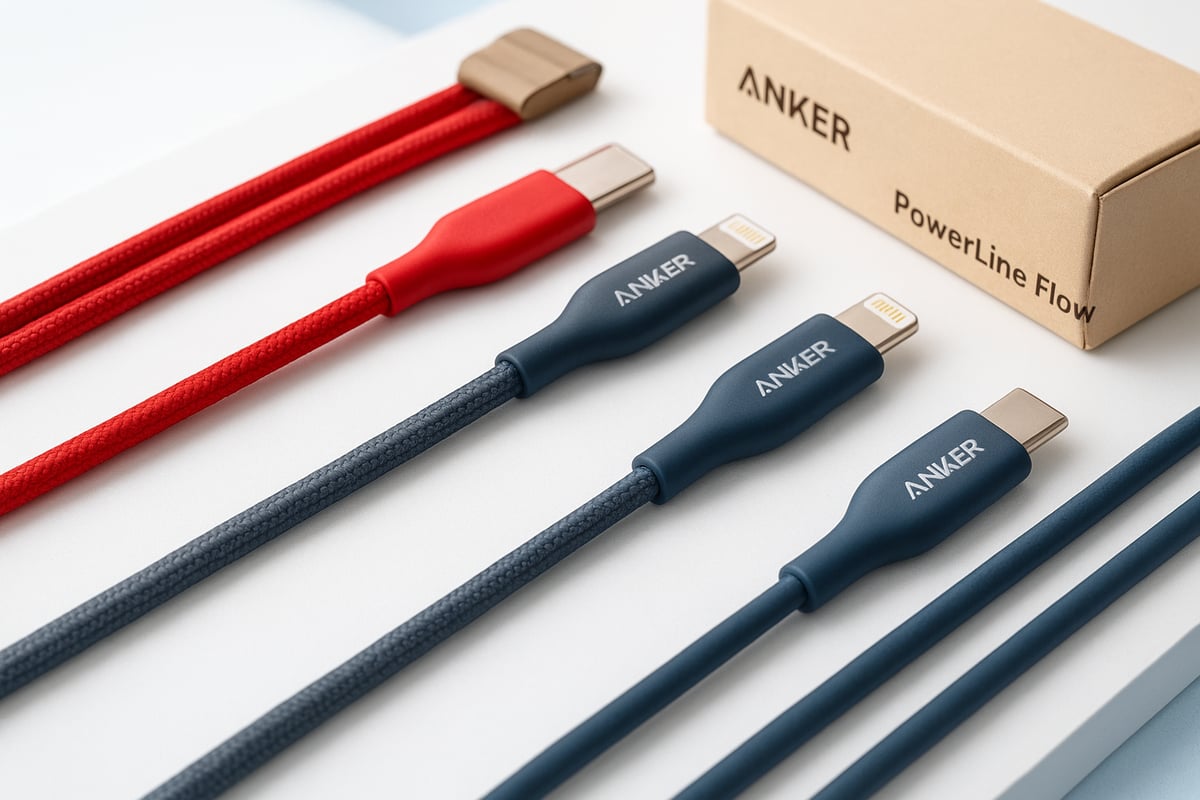
Anker offers a comprehensive selection of iPhone cables to fit various needs. The main models include:
- PowerLine III: Known for slim design and robust durability, featuring a flexible TPE jacket.
- PowerLine III Flow: Popular for its ultra-soft silicone finish, making it tangle-resistant and pleasant to handle.
- PowerLine+ II: Features a double-braided nylon exterior for maximum strength, perfect for rugged use.
- USB-C to Lightning: Supports fast charging, ideal for users with newer iPhones and iPads.
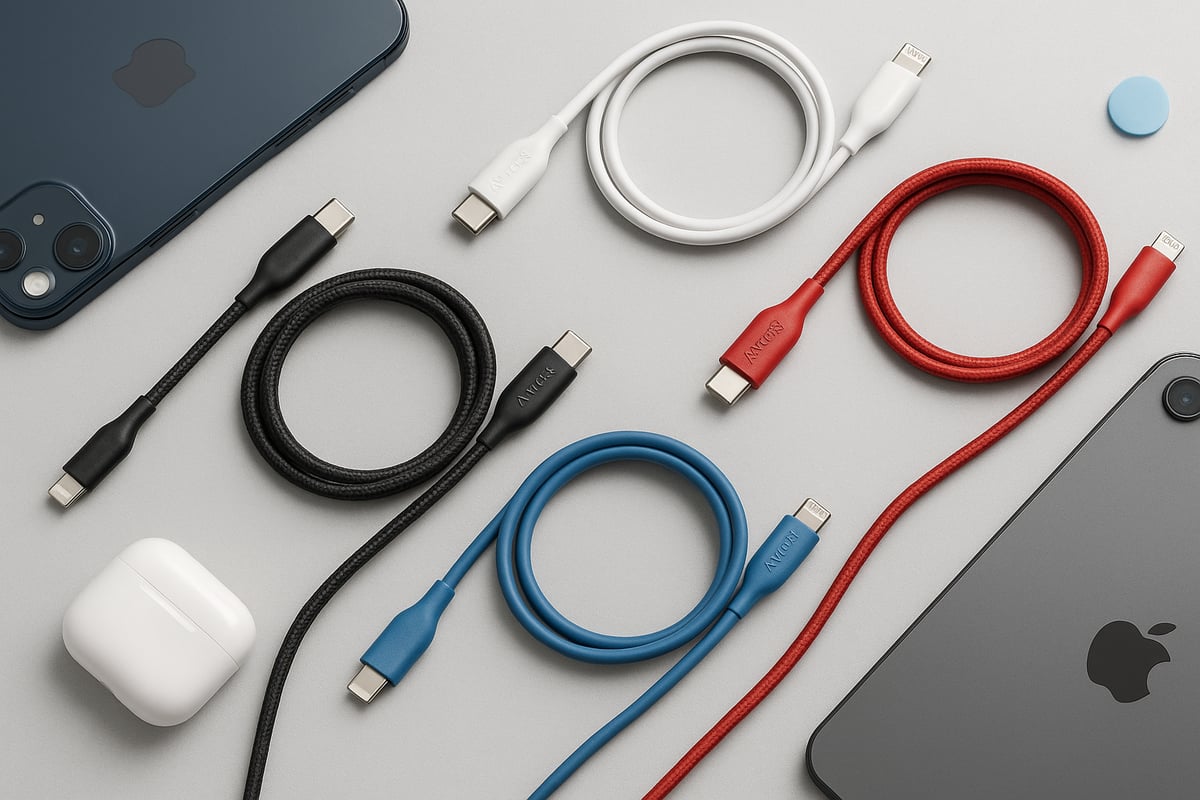
Each anker iphone cable model is available in multiple lengths, typically ranging from 0.9m to 3m. Colour options include classic white, black, pastel blue, and pink, letting users match their cable to their device or style.
Anker also focuses on eco-friendly packaging. Boxes are compact, use recycled materials, and reduce plastic waste. This commitment to sustainability is becoming more prominent in 2025, aligning with the growing demand for responsible tech.
The choice of material impacts flexibility and durability. Silicone cables like PowerLine III Flow are soft to touch and highly flexible. Braided nylon, used in PowerLine+ II, offers extra toughness against wear and tear. TPE jackets deliver a balance of flexibility and resilience.
With such variety, there is an anker iphone cable for every type of user, whether you need something travel-friendly or built to endure daily heavy use.
Compatibility with iPhone Models and Apple Devices
Selecting the right anker iphone cable also means ensuring compatibility with your devices. In 2025, iPhones have largely transitioned to USB-C, though Lightning ports remain relevant for some models.
- iPhone 14, 15, 16, and anticipated iPhone 17: USB-C cables are essential for the latest models, while Lightning cables remain necessary for older devices.
- iPads and AirPods: Many iPads now use USB-C, but some AirPods cases still rely on Lightning connectors.
MFi certification (Made for iPhone/iPad) is crucial. Every genuine anker iphone cable carries this certification, guaranteeing safe, reliable charging and data transfer. MFi ensures cables work seamlessly with Apple’s latest power standards and device updates.
For those with mixed Apple devices, choosing a cable that supports both USB-C and Lightning can simplify charging routines. Anker’s dual compatibility options are especially handy for households with various iPhones, iPads, and AirPods.
If you are unsure which cable suits your device, refer to this iPhone model compatibility guide for detailed information. This resource helps match each anker iphone cable to the appropriate Apple model, reducing the risk of buying the wrong accessory.
With these compatibility considerations, you can be confident your anker iphone cable will support current and future Apple devices.
Key Features and Innovations
What sets anker iphone cable products apart is a blend of advanced features and real-world reliability:
- Fast Charging: Most models support Power Delivery (PD) and Quick Charge, allowing rapid charging for iPhone 15, 16, and beyond. For example, a USB-C to Lightning anker iphone cable can charge an iPhone to 50% in under 30 minutes when paired with a PD charger.
- Durability: Anker cables are rigorously tested, with the PowerLine III rated for over 25,000 bends. The double-braided nylon of PowerLine+ II withstands heavy pulling and rough handling, making it ideal for frequent travellers.
- Safety Mechanisms: Features like over-voltage protection, reinforced connectors, and heat resistance protect both your device and the cable itself.
- Real-World Testing: Tech reviewers consistently praise the anker iphone cable range for surviving drop, tangle, and stress tests. Many users report cables lasting for years, even in challenging environments.
- User Feedback: Anker’s warranty and responsive support add to user confidence. Positive reviews frequently highlight the cables’ reliability and the company’s customer service.
- Data Transfer Speeds: Anker’s certified cables deliver consistent data transfer rates, supporting tasks like syncing music, photos, and backups without errors or slowdowns.
- Identifying Genuine Cables: Genuine anker iphone cable products have clear branding, MFi logos, and quality packaging. Avoid counterfeits by purchasing from trusted retailers and checking for official markings.
Here is a quick comparison table of Anker’s main cable types:
| Model | Material | Charging Support | Durability | Lengths | Colours |
|---|---|---|---|---|---|
| PowerLine III | TPE | PD, QC | 25,000 bends | 0.9–3m | White, Black |
| PowerLine III Flow | Silicone | PD, QC | 20,000 bends | 0.9–1.8m | Multiple |
| PowerLine+ II | Braided Nylon | PD, QC | 30,000 bends | 0.9–3m | Red, Black |
| USB-C to Lightning | TPE/Nylon | PD | 20,000 bends | 1–2m | White |
With these features and innovations, the anker iphone cable lineup remains a top choice for Apple users in New Zealand and worldwide.
Performance, Durability, and User Experience: What Sets Anker Apart
Choosing the right charging cable is about more than just price or brand. The anker iphone cable stands out in 2025 for its blend of speed, reliability, and thoughtful design. In this section, we break down how Anker delivers a superior charging experience, focusing on real-world performance, build quality, and everyday usability.
Real-World Charging Performance
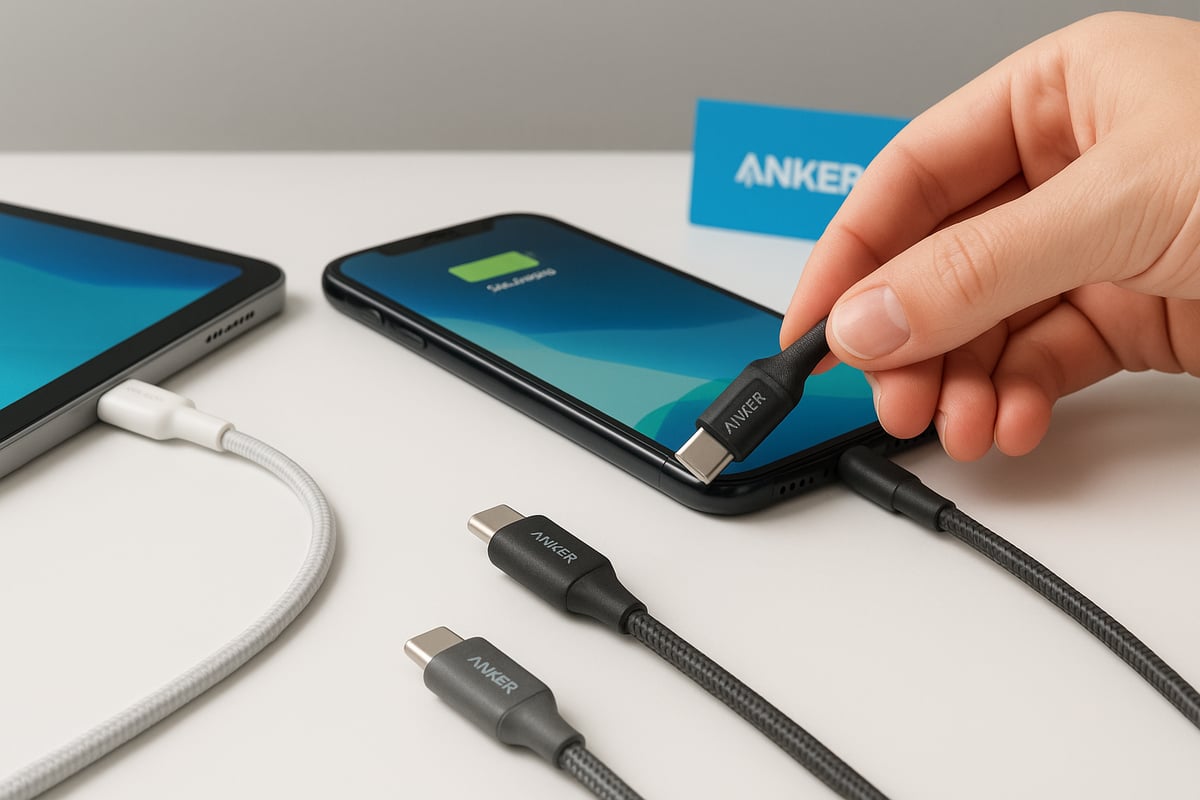
When it comes to charging speed, the anker iphone cable consistently impresses both consumers and tech reviewers. Independent lab tests show that Anker’s PowerLine III Flow charges an iPhone 15 from 0 to 50% in just under 25 minutes, matching or surpassing Apple’s official cables. Generic cables often lag behind, sometimes taking up to 40 minutes for the same task.
Cable gauge and connector quality play a crucial role in these results. Anker uses thicker copper wires and precision-moulded connectors, reducing resistance and ensuring efficient power delivery. This means your iPhone stays safe from overheating and even benefits from consistent fast charging, whether at home or on the go.
A recent case study by prominent tech bloggers compared the anker iphone cable to both Apple and low-cost alternatives. Not only did the Anker cable maintain its charging speed across repeated cycles, but it also showed no signs of connector wear after months of daily use. For users who rely on their devices for work or travel, this level of performance provides real peace of mind.
| Cable Brand | 0–50% Charge Time (iPhone 15) | Connector Quality | Heat Generation |
|---|---|---|---|
| Anker PowerLine | 24 min | Premium | Low |
| Apple Official | 25 min | Premium | Low |
| Generic Brand | 38 min | Basic | Moderate |
The anker iphone cable’s real-world results set a high standard for what users can expect from a modern charging accessory.
Built to Last: Durability and Warranty
Durability is where the anker iphone cable truly shines. Thanks to advanced materials science, Anker cables such as the PowerLine+ II are engineered to withstand over 25,000 bends and significant pull forces. The use of double-braided nylon or ultra-soft silicone not only makes them resistant to fraying but also prevents tangling and splitting.
Anker backs its cables with robust warranty terms, offering limited lifetime or multi-year coverage depending on the model. Many New Zealand users report their cables surviving years of intense daily use, from being packed in travel bags to withstanding pet chews and accidental drops. Customer testimonials consistently praise the anker iphone cable for outlasting cheaper alternatives by a wide margin.
For a deep dive into real-world performance and durability, the Anker PowerLine+ II Review highlights extensive stress tests and fast-charging reliability under demanding conditions.
Key durability features of the anker iphone cable include:
- Reinforced strain relief at both ends
- Flexible, tangle-resistant outer sheath
- Corrosion-resistant connectors
- Rigorous quality control and testing
These features ensure that every anker iphone cable is built for longevity and backed by meaningful support, making it an excellent investment for any Apple user.
User Experience and Design
Beyond performance and durability, the anker iphone cable is designed for everyday convenience and style. The tangle-free construction, especially in the Flow series, makes it easy to grab and use without frustration. Portability is a core focus, with cables offered in a range of lengths to suit home, office, and travel scenarios.
Anker’s colour options allow users to match their cables to their devices, adding a subtle touch of personalisation. The easy-grip connectors are a thoughtful feature, particularly for users with limited dexterity or those plugging in cables in tight spaces.
Environmental responsibility is also top of mind, with Anker adopting recyclable packaging and reducing plastic use across its product lines. This commitment aligns with the values of many New Zealand consumers seeking sustainable tech accessories.
In summary, the anker iphone cable delivers a user experience that balances aesthetics, accessibility, and sustainability. Every detail is designed to make charging safer, simpler, and more enjoyable.
How to Choose the Right Anker iPhone Cable for Your Needs
Selecting the right anker iphone cable can make a noticeable difference in your daily charging routine. With so many options available, understanding your needs and the unique strengths of each cable is essential for making a future-proof investment.
Assessing Your Charging Habits and Devices
Begin by considering how you use your devices daily. Do you prioritise fast charging at home, or do you need a cable that travels easily for work and commuting? The right anker iphone cable should match your most frequent environment. For instance, a longer cable is useful for bedside tables or offices, while a shorter cable works well in cars or for portable battery packs.
Think about your device lineup. If you own the latest iPhone models or anticipate upgrading soon, check whether you need USB-C, Lightning, or a combination. Many households have both iPhones and other Apple devices like iPads or AirPods, so compatibility is crucial. Selecting a cable that suits multiple devices can simplify your charging setup.
Evaluate whether you rely on your cable for data transfer as well as charging. Not all cables offer the same speeds, especially if you regularly back up photos or files. List your top priorities—speed, durability, flexibility, or universal compatibility. This will help you focus on the anker iphone cable that best fits your technology lifestyle.
Comparing Models and Features
Anker’s cable range offers distinct models, each tailored to specific preferences. Review the table below for a quick comparison:
| Model | Material | Fast Charging | Length Options | Colours | Notable Feature |
|---|---|---|---|---|---|
| PowerLine III | TPE | Yes | 0.9–1.8m | White, Black | Slim, sturdy design |
| PowerLine+ II | Braided Nylon | Yes | 0.9–3m | Red, Grey | Enhanced durability |
| PowerLine III Flow | Silicone | Yes | 0.9–1.8m | Blue, Pink | Ultra-flexible, soft |
| USB-C to Lightning | TPE | Yes | 1–2m | White | PD fast charging |
When comparing anker iphone cable models, weigh factors like material, length, and colour to match your daily needs. Premium models such as PowerLine+ II are ideal for those who need maximum durability, while PowerLine III Flow appeals to users who want a tangle-free, flexible cable for travel.
Consider the price-to-performance ratio. Investing in a higher-end cable can mean longer lifespan and better charging speeds. Features like braided nylon or silicone sheathing offer added protection against fraying. For detailed insights on the best Lightning cables available this year, you may want to reference Best Lightning Cables 2025, which reviews durability and speed across leading brands.
Where to Buy Authentic Anker iPhone Cables in New Zealand
Purchasing an authentic anker iphone cable is vital for both device safety and warranty protection. Always buy from the official Anker store or reputable authorised retailers. This reduces the risk of receiving counterfeit products, which can damage your device or void your warranty.
Be vigilant for signs of fake cables. Genuine products feature clear Anker branding, high-quality packaging, and official certification markings. If shopping online, check for verified seller status and customer reviews. In-store, inspect packaging for seals and holograms that indicate authenticity.
Online shopping offers convenience and a wider selection, but ensure you are buying from trusted sources. In-store purchases allow you to examine the product directly before buying. For more tips on avoiding counterfeits and ensuring your cable is genuine, visit Buying authentic Apple cables NZ. Remember to keep your receipt, as it may be needed for warranty claims or support.
Care, Maintenance, and Troubleshooting for Anker iPhone Cables
Caring for your anker iphone cable is essential for maximising its lifespan and ensuring your devices stay safe during daily use. Even the most robust cables benefit from regular maintenance. With the right approach, you can prevent common issues and get the best performance from every charge.
Proper Care and Maintenance
To keep your anker iphone cable in top condition, always wind it loosely after use. Avoid sharp bends or tight loops, as these can weaken the internal wires. Store your cable in a dry, dust-free place, ideally in a pouch or drawer. Clean the cable regularly with a soft, slightly damp cloth to remove grime. Never pull the cable from the wire; instead, grip the connector firmly to unplug. These simple habits can extend the life of your cable and help you avoid unexpected failures. Proper maintenance also ensures optimal charging speed and safety for your devices.
Preventing and Identifying Cable Damage
Common causes of anker iphone cable damage include frequent bending at the connector, exposure to liquids, and trapping the cable under heavy objects. Look for early signs of wear, such as fraying, kinks, or loose connectors. If you spot any of these, stop using the cable immediately to prevent further damage. Always check both ends for debris or corrosion before connecting to your device. Using cable organisers or clips can help prevent tangles and reduce strain. By staying vigilant, you can address minor issues before they turn into bigger problems and keep your cable working reliably.
Troubleshooting and Warranty Support
If your anker iphone cable stops charging, first test it with another device or charger to isolate the problem. Inspect both connectors for dirt or damage, and try a different cable to compare results. Anker provides clear warranty terms, so keep your purchase documentation handy. For particularly tough cases, consult Anker support forums or customer service for troubleshooting tips. If the cable is covered, you can request a replacement under warranty. For more insights into cable durability and what to expect from top-rated models, explore the Top USB-C Cables 2025 review, which highlights industry-leading performance benchmarks.
Safety Tips and Real-World Examples
Always use your anker iphone cable in a cool, dry environment to avoid overheating or moisture damage. Avoid over-bending or twisting the cable, especially near the connectors. If your cable becomes hot, discoloured, or starts to fray, discontinue use immediately. Many users have shared stories of their cables surviving pets, travel, and daily wear thanks to careful handling and quick action when issues arise. For those using cables with multiple Apple devices, including AirPods, ensure you follow the latest compatibility and safety guidelines, as discussed in AirPods and iPhone charging compatibility. Staying proactive helps protect both your cable and your valuable devices.
About the author : william yan

Related posts
Popular products
-
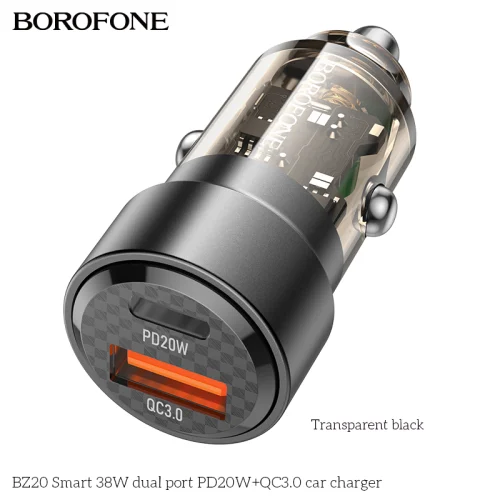 BOROFONE BZ20 Smart 38W dual port PD20W+QC3.0 Car Charger
$29.90
BOROFONE BZ20 Smart 38W dual port PD20W+QC3.0 Car Charger
$29.90
-
 SAMSUNG S26 BACK GLASS REPLACEMENT
This item is only available in our physical shops. Please visit our shops for pricing.
SAMSUNG S26 BACK GLASS REPLACEMENT
This item is only available in our physical shops. Please visit our shops for pricing.
-
 SAMSUNG S26 Plus BACK GLASS REPLACEMENT
This item is only available in our physical shops. Please visit our shops for pricing.
SAMSUNG S26 Plus BACK GLASS REPLACEMENT
This item is only available in our physical shops. Please visit our shops for pricing.
-
 SAMSUNG S26 Ultra BACK GLASS REPLACEMENT
This item is only available in our physical shops. Please visit our shops for pricing.
SAMSUNG S26 Ultra BACK GLASS REPLACEMENT
This item is only available in our physical shops. Please visit our shops for pricing.
