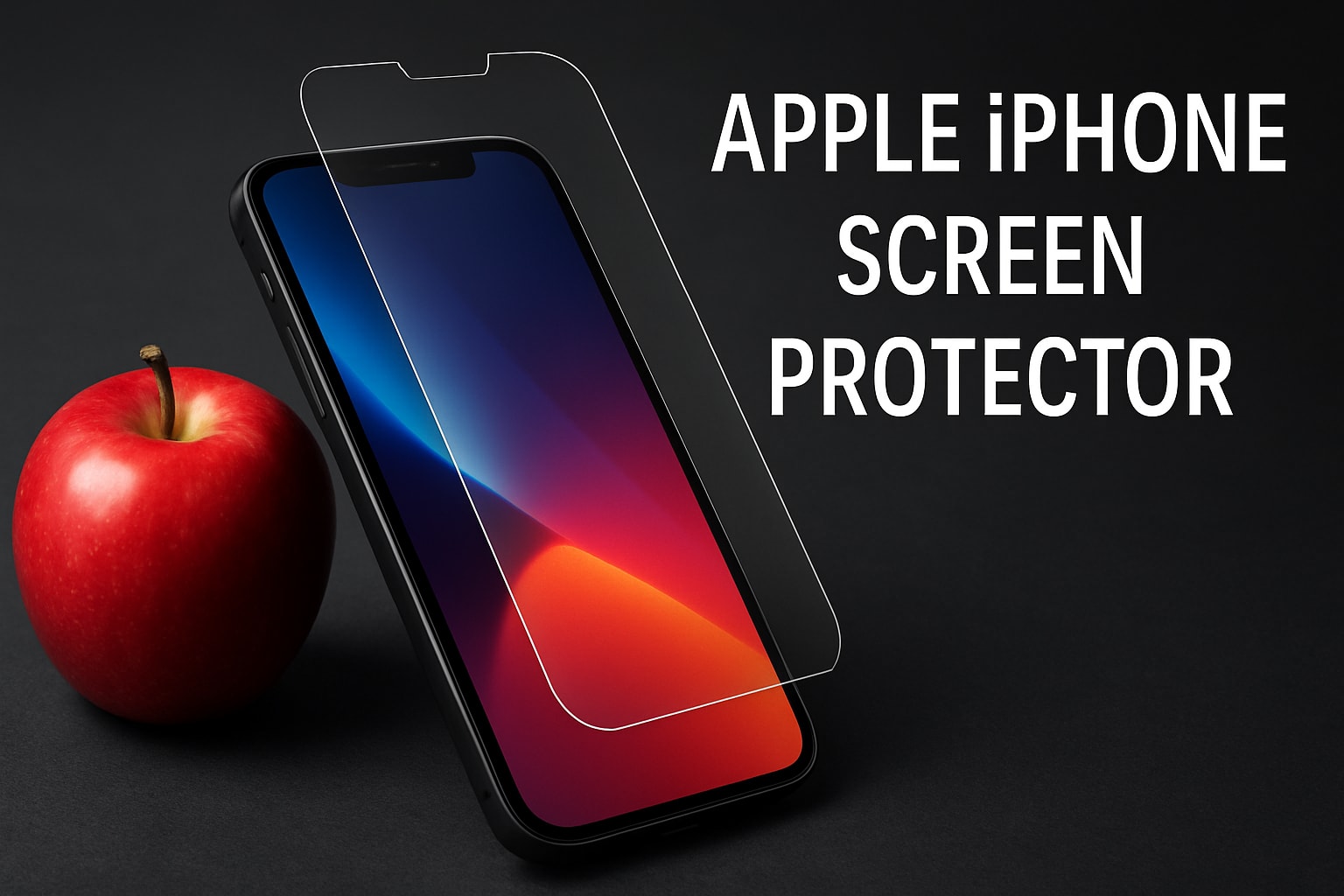
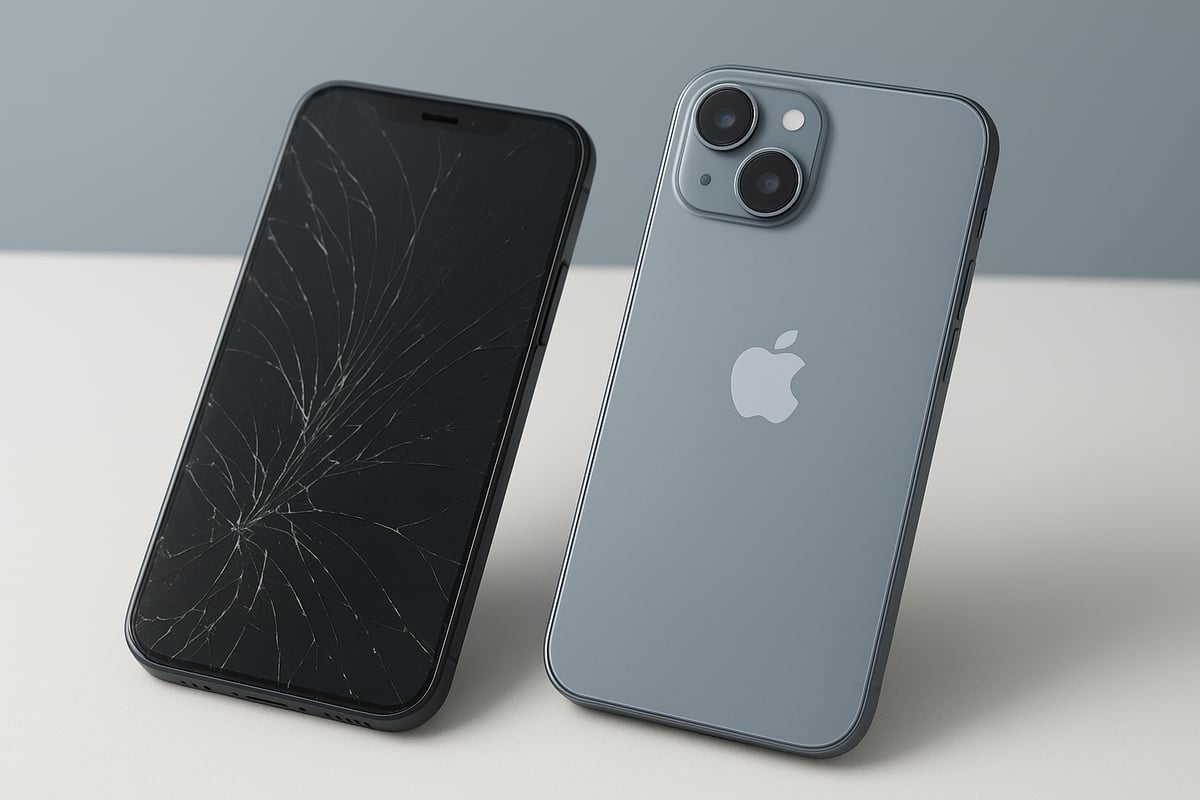
Cracked screens are becoming all too common as iPhones get more advanced and expensive in 2025. With repair costs skyrocketing, protecting your investment is more crucial than ever.
This guide offers everything you need to know about choosing, applying, and caring for your apple iphone screen protector. Prevent costly repairs, keep your device’s value high, and enjoy a flawless user experience.
We will explore the latest screen protector technologies, compatibility tips, installation steps, maintenance advice, and top recommendations. Ready to keep your iPhone pristine? Read on for expert insights.
Why Screen Protectors Are Essential for iPhones in 2025
Owning a new iPhone in New Zealand is a significant investment, with repair costs rising in 2025. According to recent data, replacing a cracked screen can set you back hundreds of dollars, especially for the latest models. This is why choosing an apple iphone screen protector is crucial for every iPhone owner. For a detailed look at the latest repair costs and why prevention is smarter, see the iPhone screen repair costs in New Zealand guide.
The Increasing Risk of Accidental Damage
Statistics from Apple support and NZ consumer reports show that accidental drops are more common than ever. In 2025, over 60% of iPhone users reported at least one drop incident within the first year of ownership. Scratches from keys, coins, and daily use are also frequent. Using an apple iphone screen protector significantly reduces the likelihood of screen damage from these everyday accidents.
- 1 in 3 users experience minor scratches within six months
- Outdoor activities and commuting increase drop risks
- Screen protectors absorb shock and prevent permanent marks
Protecting Resale Value and Warranty
A flawless screen is vital for maintaining your device’s resale value. Buyers in NZ are quick to check for scratches or chips before making a purchase. An apple iphone screen protector acts as a first line of defence, keeping your display in top condition and helping you secure the best price when it’s time to upgrade. Some warranty providers may even require a well-maintained screen to honour claims, making screen protection a smart investment.
Built-in Glass vs Added Protection
While Apple’s latest iPhones feature advanced glass technologies, these built-in solutions do not fully prevent cracks or scratches. The apple iphone screen protector adds a durable barrier that shields the original display from direct impact and abrasion. This extra layer is especially important in 2025, as thinner bezels and larger screens make devices more vulnerable to edge damage.
| Feature | Built-in Glass | With Screen Protector |
|---|---|---|
| Drop Resistance | Moderate | High |
| Scratch Protection | Moderate | Excellent |
| Repair Cost Savings | None | Significant |
| Ease of Replacement | Difficult | Easy (replace protector) |
Real-World Case Study: iPhone 16e/17 Owners
Recent studies of iPhone 16e and 17 users in New Zealand reveal that those using an apple iphone screen protector reported 75% fewer incidents of screen damage compared to those without protection. As more Kiwis rely on their phones for work and travel, the need for robust screen protection continues to grow.
- Business users report fewer device downtimes
- Students benefit from reduced repair expenses
- Tradies experience less risk during outdoor jobs
Preserving Touch Sensitivity and Display Clarity
A common concern is whether an apple iphone screen protector affects the touch experience or display quality. Modern protectors, especially those made from advanced materials, are designed to maintain the original responsiveness and clarity. This means you can enjoy flawless performance while keeping your screen safe from harm.
Adapting to Changing Lifestyles and Environments
With remote work and outdoor activities on the rise, iPhones are exposed to more hazards than ever. In New Zealand, sand, humidity, and strong UV light can all impact your device’s screen durability. An apple iphone screen protector offers essential protection against these elements, ensuring your phone stays in prime condition throughout 2025.
Types of iPhone Screen Protectors: Materials, Features & Innovations
Choosing the right apple iphone screen protector in 2025 means understanding the latest materials, features, and innovations. Each type offers unique benefits for different lifestyles and usage needs. Let us break down the main options so you can make an informed decision and keep your device in top condition.
Tempered Glass vs. Film: Pros and Cons
When selecting an apple iphone screen protector, most Kiwis choose between tempered glass or film. Each has strengths and drawbacks worth considering.
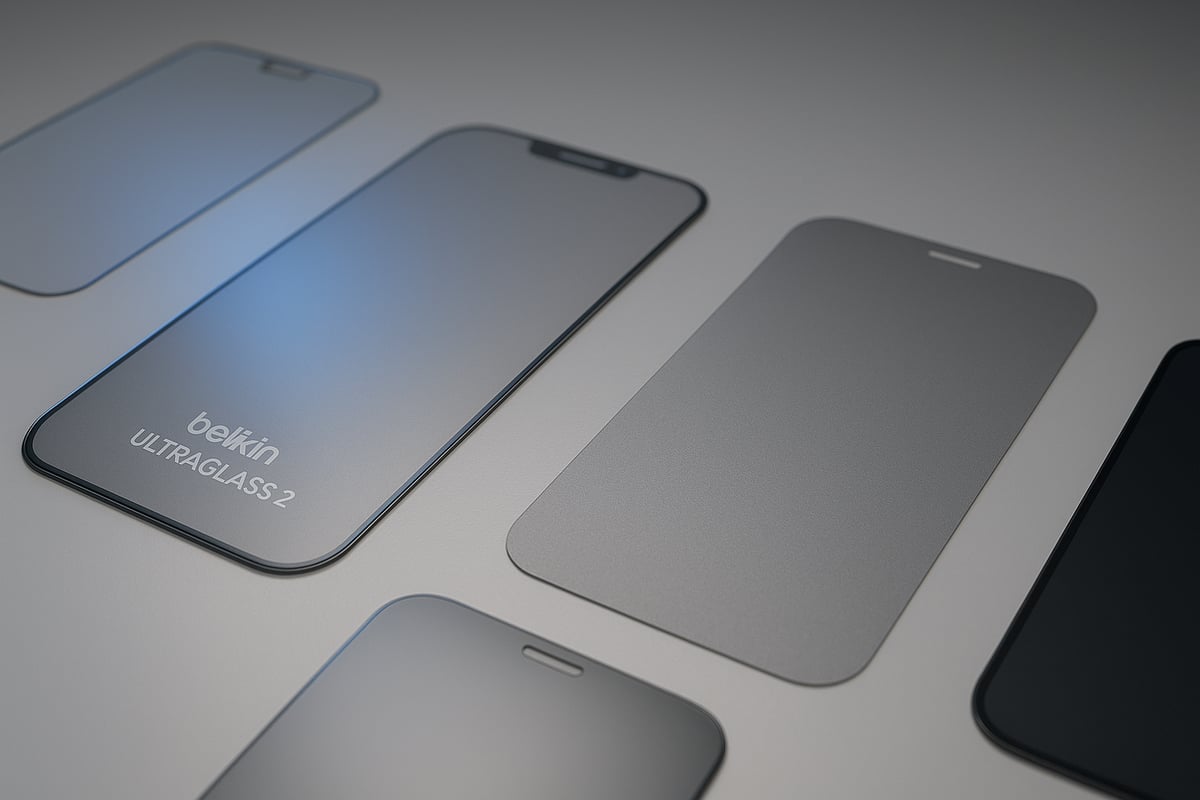
Tempered glass is the go-to for durability. Top brands like Belkin UltraGlass claim up to 2.7 times the strength of standard glass. This means better drop resistance and longer-lasting protection. Glass protectors also offer a premium feel that closely matches the original iPhone screen, maintaining superb clarity. They are typically thicker, which can be reassuring if you are prone to drops.
Film protectors, on the other hand, are thinner and more flexible. They are almost invisible after application and can deliver excellent touchscreen responsiveness. Films are often less expensive, making them popular for budget-conscious users or those who want frequent replacements.
| Feature | Tempered Glass | Film |
|---|---|---|
| Strength/Drop Resistance | High | Low |
| Clarity | Excellent | Good |
| Touch Sensitivity | High | Very High |
| Thickness | 0.2-0.4mm | 0.1mm or less |
| Cost | Higher | Lower |
| Longevity | 1-2 years | 6-12 months |
User preferences often depend on device model and age. Newer iPhones see more glass protector use, while students or those with older models may opt for film. No matter your choice, an apple iphone screen protector is a smart investment.
Advanced Materials: Lithium Aluminosilicate & Beyond
In 2025, the apple iphone screen protector market is seeing a surge in advanced materials. Lithium aluminosilicate (LAS), as found in Belkin UltraGlass 2, offers exceptional impact protection. This material uses double ion-exchange technology to strengthen the glass at the molecular level, significantly reducing the risk of cracks or chips.
Compared with standard tempered glass, LAS is lighter and thinner but even more durable. Many manufacturers now add anti-microbial coatings, blue light filters, and privacy layers for extra functionality. These innovations address common concerns like germs, eye strain, and data privacy.
Adoption rates for advanced protectors are climbing in New Zealand, especially among business users and families. Manufacturer claims are increasingly backed by independent lab tests, confirming the strength and clarity of LAS. Advanced protectors also keep your device slim, so you do not sacrifice style for safety.
To explore the science and benefits behind these next-gen protectors, see the Belkin UltraGlass 2 screen protector features. Investing in an advanced apple iphone screen protector means getting the most from your device, no matter how rugged your lifestyle.
Specialty Protectors: Privacy, Matte, UV, and Camera Lens
If your needs go beyond basic protection, specialty apple iphone screen protector options offer targeted solutions. Privacy protectors use micro-louvre technology to block side views, perfect for business travellers or anyone working in public spaces. Matte finish protectors cut glare and resist fingerprints, making them ideal for students or tradies who work outdoors.
UV-protective films are especially useful in New Zealand’s sunny climate, helping prevent screen fading and damage from prolonged exposure. Camera lens protectors are another innovation, shielding your iPhone’s camera from scratches and impacts without affecting photo quality.
Compatibility is a key consideration. Most specialty protectors work seamlessly with Face ID and in-screen sensors. Brands like EGIFTS offer a range of privacy and matte options designed for the latest iPhone models. Business professionals, students, and active Kiwis each benefit from choosing a specialty apple iphone screen protector tailored to their environment.
No matter your lifestyle, there is a specialty solution to keep your iPhone protected, private, and looking new.
Compatibility & Choosing the Right Screen Protector for Your iPhone Model
Choosing the right apple iphone screen protector in 2025 is crucial to ensure your device gets the protection it needs. The variety of iPhone models, new display features, and evolving accessory standards in New Zealand make compatibility a top concern for buyers.
Understanding iPhone Model Compatibility
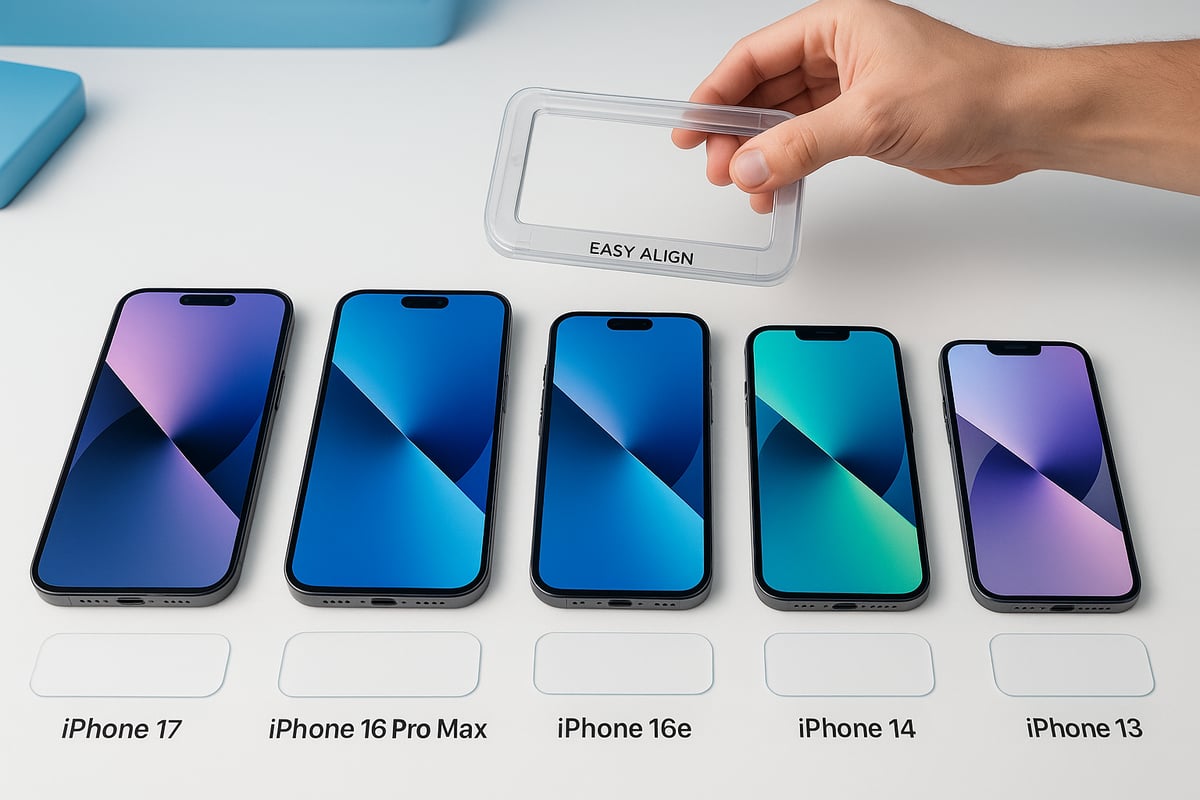
Each new iPhone release brings subtle changes to screen dimensions, sensor placement, and edge curvature. In 2025, the lineup includes iPhone 17, 16 Pro Max, 16e, and popular earlier models like iPhone 14 and 13. Selecting an apple iphone screen protector that matches your exact device model is essential. Even a slight mismatch can lead to poor coverage, reduced touch sensitivity, or exposed edges.
Some models, like the iPhone 16e, have unique screen shapes or speaker positions. Always check the product listing for your precise model number before purchasing a protector.
Coverage Options and Cutout Essentials
Apple iphone screen protector options come in two main coverage types: edge-to-edge and standard. Edge-to-edge protectors offer maximum glass coverage, closely following the curved edges of modern screens. Standard protectors cover only the flat portion, leaving a slim border exposed.
Pay close attention to cutouts for Face ID sensors, speaker grills, and front cameras. A poorly placed cutout can impact facial recognition or audio clarity. For newer iPhones, even a millimetre of misalignment can disrupt daily use. High-quality protectors are laser-cut to match each model's unique design.
Accessory Compatibility: Cases and MagSafe
A growing number of users pair their apple iphone screen protector with robust cases or MagSafe accessories. Not all protectors fit well with every case, especially edge-to-edge models, which may lift at the corners if combined with tight-fitting cases.
Look for protectors specifically labelled as "case friendly" to ensure seamless integration. MagSafe compatibility is also vital for wireless charging and magnet-based accessories. Some thick protectors or those with pronounced edges may interfere with MagSafe performance, so always check for confirmed compatibility.
Certified Fit and Installation Precision
Reputable brands offer certified compatibility, often working closely with Apple to ensure their apple iphone screen protector fits perfectly. Look for certifications from Apple, Belkin, or trusted NZ retailers. Packaging should clearly state supported models.
Many premium protectors come with Easy Align trays or similar tools, making installation straightforward and precise. These trays help align the protector with notches and sensors, reducing the risk of bubbles or misplacement. For example, Belkin's UltraGlass range includes such aids to simplify the process for every user.
Common Mistakes and Where to Check Compatibility
A frequent error is purchasing an apple iphone screen protector for the wrong model or size, particularly when models look similar. Double-check your iPhone’s model number in Settings before buying. Avoid universal or "one size fits most" protectors, as they rarely provide a perfect fit.
For up-to-date compatibility charts and a wide selection of protectors for every recent iPhone, visit the iPhone Screen Protectors NZ Range. Here, you can filter by model, compare coverage types, and access expert advice tailored to New Zealand buyers.
Step-by-Step Guide: How to Apply an iPhone Screen Protector Flawlessly
Applying an apple iphone screen protector correctly is essential for long-term clarity and full device protection. A flawless installation avoids annoying bubbles, dust, and misalignment, ensuring your iPhone remains in top condition. This guide provides a practical, step-by-step approach for users of all experience levels.
Preparing Your iPhone: Cleaning & Workspace Setup
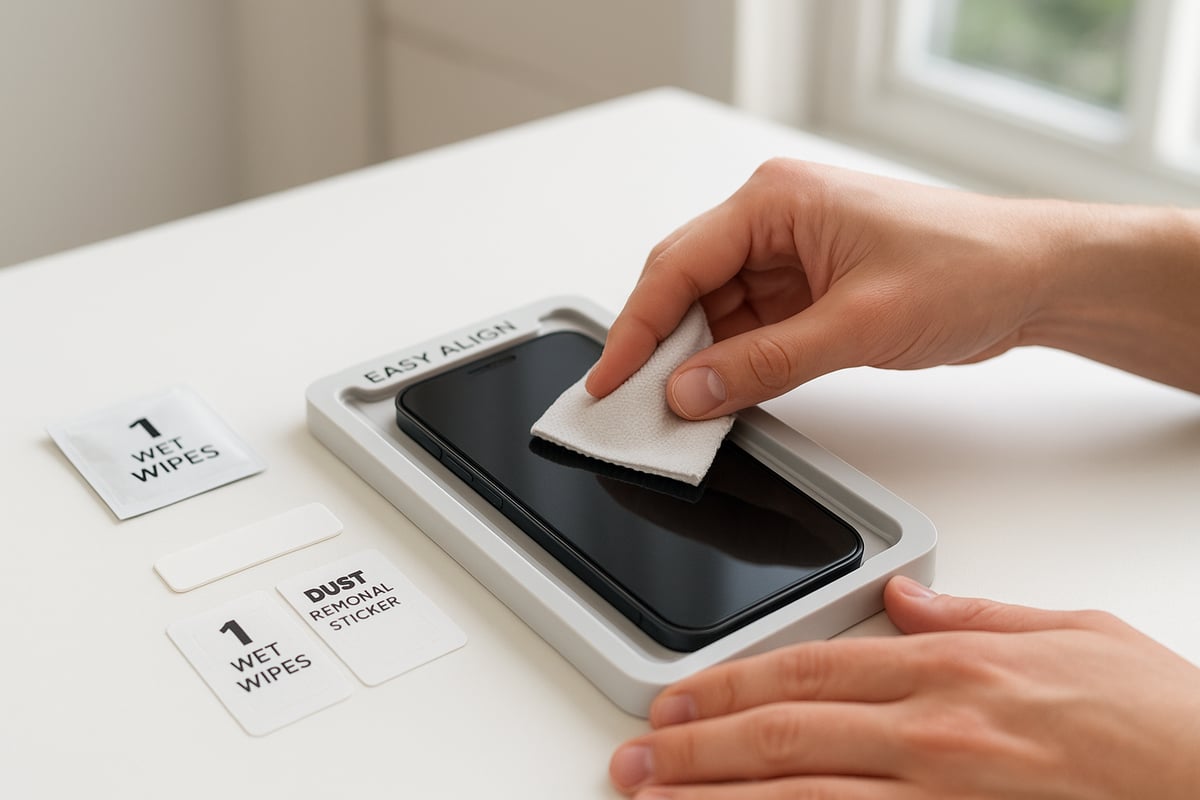
Before starting, preparation is key for a perfect apple iphone screen protector installation. Choose a clean, dust-free space, like a bathroom after a hot shower or a dedicated workspace. Lay out all necessary tools:
- Microfibre cleaning cloth
- Alcohol wipe
- Dust removal sticker
- Easy Align tray (if provided)
- Squeegee or credit card
Wash and dry your hands thoroughly. Turn off your iPhone and remove any case or accessories. Carefully inspect the screen for existing cracks, chips, or debris. Use the alcohol wipe to remove fingerprints and oils, then dry with the microfibre cloth. If dust remains, gently tap the sticker across the screen to lift particles.
A quick reference table for cleaning supplies:
| Tool | Purpose |
|---|---|
| Alcohol wipe | Removes oils and smudges |
| Microfibre cloth | Dries and polishes glass |
| Dust sticker | Lifts tiny particles |
| Easy Align tray | Ensures precise alignment |
Once the screen is spotless, you are ready to apply the apple iphone screen protector.
Aligning and Applying the Protector
Precise alignment is crucial for both aesthetic and functional reasons. If your apple iphone screen protector comes with an Easy Align tray, place your iPhone inside the tray as instructed. This tool helps achieve perfect placement, matching cutouts for the notch, sensors, and speaker grills.
If applying manually, hold the protector by the edges and carefully peel off the backing. Hover the protector over your device, aligning the top edge and cutouts with the iPhone’s features. Lower it gently, starting from one edge and letting it fall into place.
For the latest models, products like Belkin UltraGlass 2 for iPhone 16 and 15 include a detailed kit and alignment tray, simplifying the process and reducing the risk of misplacement. Always check that the protector aligns with all sensors and speaker grills, especially if you use Face ID.
Apply gentle pressure from the centre outward with your finger or the included squeegee. This encourages strong adhesion and helps prevent air bubbles. If you notice immediate misalignment, gently lift the protector and realign, but minimise removals to maintain adhesive quality.
A well-aligned apple iphone screen protector ensures optimal clarity and touch response.
Removing Bubbles and Ensuring a Perfect Finish
After application, small air bubbles can form under the apple iphone screen protector. Most will disappear within 24–48 hours, but stubborn ones need attention. Use a squeegee or a plastic card to push bubbles towards the edges, working slowly and carefully.
If you spot dust trapped under the protector, lift the nearest corner gently, insert a dust sticker, and remove the particle. Lower the protector back and smooth out the area.
Common troubleshooting tips:
- For persistent bubbles, reapply gentle pressure with the squeegee.
- If edges lift, press down for 30 seconds to reinforce adhesion.
- If alignment is badly off, consider removing and starting with a fresh protector.
Wait at least 10 minutes before using your iPhone to let the adhesive settle. Inspect the apple iphone screen protector from multiple angles for any imperfections.
Aftercare: Maintaining Your Screen Protector
Proper care extends the life of your apple iphone screen protector and maintains device performance. Clean the surface weekly with a microfibre cloth, using a little water or a screen-safe spray if needed. Avoid harsh chemicals, which can degrade oleophobic or antimicrobial coatings.
Signs your protector needs replacing:
- Noticeable cracks or chips
- Peeling edges
- Loss of touch sensitivity
- Persistent bubbles or haze
Compatibility with cases and wireless charging is usually unaffected, but always check for edge lifting after installing a new case. To extend your protector’s lifespan, avoid dropping your device or storing it with keys or coins.
When it is time to replace your apple iphone screen protector, look for recycling options in New Zealand at local e-waste centres. Responsible disposal helps reduce environmental impact.
By following these steps, you can ensure a flawless installation, clear display, and lasting protection for your iPhone.
Screen Protector Myths, FAQs & Troubleshooting
Cracked screens are a common issue for iPhone users, yet many myths about the apple iphone screen protector persist in 2025. Let us separate fact from fiction and help you get the most out of your device protection.
Myths & Misconceptions
Many believe that the latest iPhones are so tough that an apple iphone screen protector is unnecessary. However, even the strongest glass can crack or scratch with one unlucky drop. Data from Belkin and Apple shows that screen protectors reduce the risk of costly repairs by over 60%.
Another common myth is that protectors interfere with Face ID or touch sensitivity. In reality, modern protectors are engineered for seamless performance. For example, privacy or matte finishes may slightly alter the feel, but do not block sensors or impact daily use.
Some think that all protectors are the same, yet advanced materials like double ion-exchange glass and anti-microbial coatings offer extra benefits. Choosing wisely makes a measurable difference.
Frequently Asked Questions
Can I use an apple iphone screen protector with a heavy-duty case?
Absolutely. Most protectors are designed to work alongside cases, but always check for compatibility to avoid edge lifting.
Will a screen protector void my Apple warranty?
No. Apple does not void warranties for using third-party accessories such as screen protectors.
How often should I replace my protector?
Replace it if you notice chips, cracks, or loss of sensitivity. On average, users swap protectors every 12 to 18 months.
Do specialty protectors, like privacy or anti-glare, affect performance?
Privacy models add a viewing angle filter, while anti-glare types reduce reflections. Both maintain responsiveness and are available through iPhone Privacy Screen Protectors.
Troubleshooting Common Issues
Even with the best apple iphone screen protector, installation can pose challenges. Bubbles are the most reported problem. Use a squeegee or a credit card to gently push them to the edge. For stubborn dust spots, lift the protector slightly and use a dust removal sticker.
Edge lifting often happens due to misalignment or case pressure. Remove and reapply if needed, making sure the surface is spotless. If bubbles persist after 24 hours, the protector may be defective and should be replaced.
If Face ID or touch sensitivity seems off, check for debris around the sensors or try reapplying the protector.
Case Study: Drop Test Insights
A recent drop test compared an iPhone 16e with and without an apple iphone screen protector. The protected phone survived a 1.5 metre drop onto concrete with only minor damage to the protector, while the unprotected screen shattered.
Independent reviewers have documented these results, such as the Belkin UltraGlass 2 screen protector review, which demonstrates real-world resilience and application tips.
Data shows that using a quality protector can extend the lifespan of your device and help maintain its resale value.
Pro Tips for Apple iPhone Screen Protector Success
- Clean your screen thoroughly before installation.
- Use an alignment tray or guide for perfect placement.
- Choose a protector tailored for your iPhone model.
- Avoid cheap, unverified brands—look for NZ-based providers for genuine products.
- Replace your apple iphone screen protector when it shows signs of wear.
Following these steps will ensure your iPhone stays pristine and your user experience remains flawless.
Top iPhone Screen Protector Recommendations for 2025
Choosing the best apple iphone screen protector in 2025 can make a real difference in daily use, device longevity, and peace of mind. With so many options on the market, it is crucial to match your needs with the right features for your iPhone model and lifestyle. Here, we break down our top picks, so you can buy with confidence.
Best Overall: Belkin UltraGlass 2
For those seeking ultimate strength and clarity, the Belkin UltraGlass 2 stands out as the top apple iphone screen protector for 2025. This advanced protector uses lithium aluminosilicate glass, making it up to 2.7 times stronger than standard tempered glass. Its double ion-exchange process ensures superior drop and scratch resistance, which is vital for New Zealanders who lead active lifestyles or work on the go.
UltraGlass 2 features an ultra-slim 0.29mm profile, preserving touch sensitivity and display brilliance. The included Easy Align tray simplifies installation, reducing the risk of bubbles or misalignment. This screen protector is compatible with the latest models, including iPhone 17 and 16 Pro Max, and fits snugly with MagSafe cases.
User reviews consistently praise the Apple iphone screen protector for its durability and near-invisible look. It is available from trusted NZ retailers and online stores, including 16 Series iPhone Screen Protectors, providing local warranty and fast shipping. If you want the best overall protection, UltraGlass 2 is a smart investment for your device.
Best Value: Standard Tempered Glass Protectors
If you are after reliable protection without breaking the bank, standard tempered glass protectors remain a popular apple iphone screen protector choice. These protectors offer a solid balance between affordability and performance, making them suitable for families, students, and anyone with multiple devices.
Tempered glass protectors are widely available for recent and older iPhone models, often sold in multipacks for added savings. While not as advanced as UltraGlass 2, they still provide good scratch and impact resistance, along with clear display quality. Brands such as OtterBox, EGIFTS, and other NZ-based suppliers are known for consistent quality.
Users appreciate the ease of installation and the value for money these protectors deliver. Many NZ buyers note that a standard apple iphone screen protector can last 12 months or more if properly cared for. For those who want basic protection and easy replacements, this category ticks all the right boxes.
Best for Privacy & Specialty Needs
For users who need more than just screen protection, specialty apple iphone screen protector options have never been more advanced. Privacy protectors use micro-louvre technology to block side views, keeping your information safe in public spaces. Matte and anti-glare films are perfect for outdoor or office use, reducing reflections and fingerprints.
With the rise of mobile photography, camera lens protection has become essential. Products like iPhone Camera Lens Protectors add a layer of defence to your iPhone’s camera module, preventing scratches without affecting photo quality.
Specialty protectors are available for all major iPhone models and are compatible with Face ID and in-screen sensors. Business professionals, students, and tradies in NZ have praised these solutions for their practicality and versatility. If you have unique privacy or protection needs, these specialty choices deliver peace of mind.
Best for Easy Application: Protectors with Alignment Trays
The installation process can be stressful, but alignment tray systems have revolutionised how people apply an apple iphone screen protector. Belkin’s Easy Align tray, included with UltraGlass 2, guides the protector into perfect position, reducing the chances of bubbles or edge lift.
Other brands in NZ now offer similar alignment tools, catering to both first-time users and busy professionals. Success rates for flawless application have risen, with many customers reporting better results compared to manual methods. Protectors designed for iPhone 16, 17, and other recent models often come with these trays, ensuring a seamless fit.
If you want to save time and avoid frustration, choose a protector from the 16 Series iPhone Screen Protectors range. With the right apple iphone screen protector and an alignment tray, your device will stay pristine and protected.
About the author : william yan